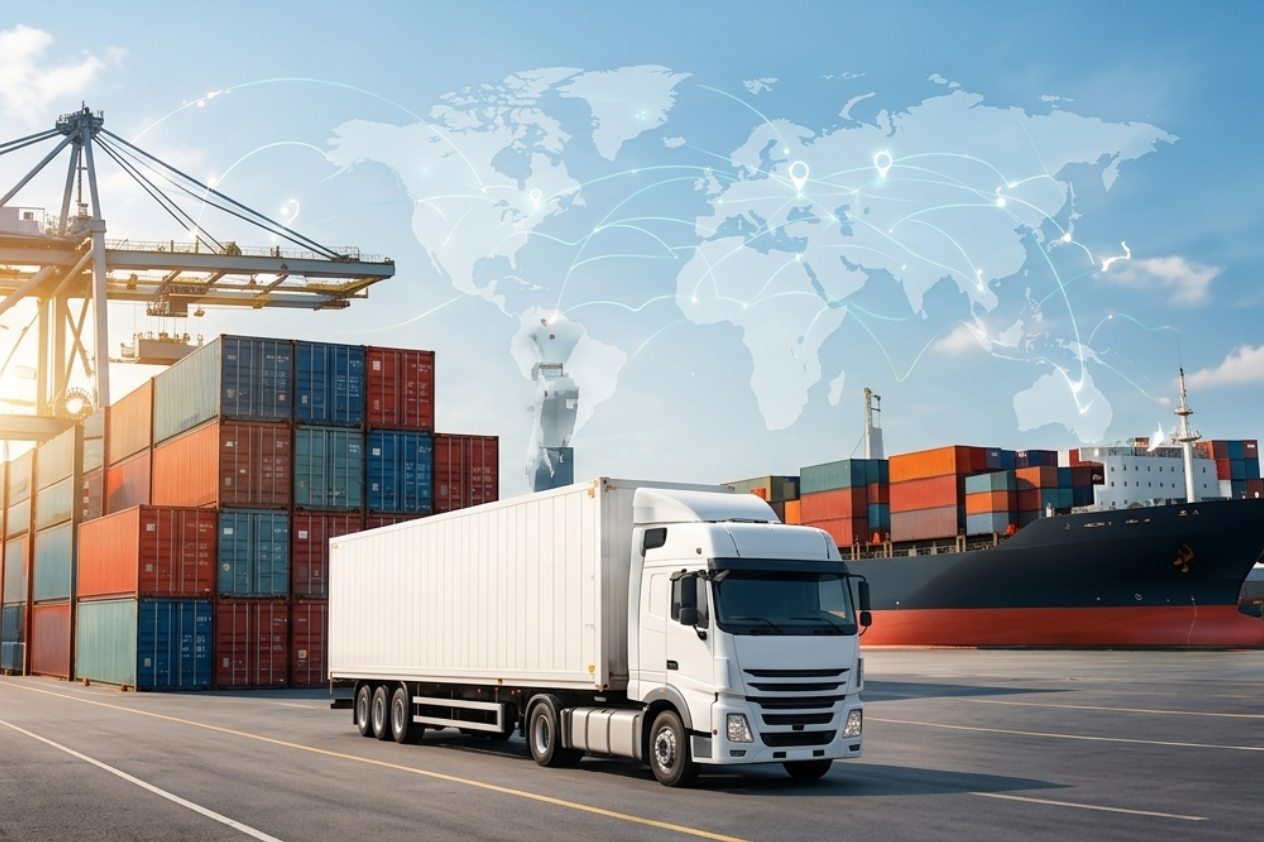
In today’s competitive business environment, logistics and supply chain management are no longer just operational functions—they are strategic drivers of growth. Businesses that optimize their supply chains can reduce costs, improve customer satisfaction, and gain a strong competitive edge.
While often used interchangeably, logistics and supply chain have distinct roles:
A well-integrated system ensures smooth coordination between suppliers, manufacturers, warehouses, and customers.
An optimized supply chain helps businesses:
Global companies like Amazon have set benchmarks by using advanced logistics systems to deliver products quickly and efficiently.
Technology has transformed how businesses manage supply chains.
Key innovations include:
Tools like SAP Supply Chain Management help businesses streamline operations and improve decision-making.
Proper inventory management is crucial for balancing supply and demand.
Effective methods:
Poor inventory control can lead to overstocking or stockouts, both of which impact profitability.
The final step—delivering products to customers—is often the most complex and expensive.
Optimization tips:
Companies like DHL excel in last-mile delivery through advanced tracking and efficient distribution networks.
Suppliers play a critical role in your supply chain.
Best practices:
Strong partnerships ensure consistent quality and timely delivery.
Logistics and supply chain management are critical to business success. By leveraging technology, optimizing processes, and focusing on customer needs, businesses can build efficient and resilient operations.
In a rapidly changing global market, continuous improvement and innovation are key. Companies that invest in their supply chain will not only reduce costs but also create a strong foundation for long-term growth.

We empower ecommerce businesses to grow, scale, and succeed across global marketplaces with data-driven strategies.
Meydan Grandstand, 6th Floor, Maydan Road, Nad Al Sheba, Dubai , UAE
