
Logistics and supply chain insights

Logistics and supply chain insights

Logistics and supply chain insights

Logistics and Supply Chain Insights: Building Efficient Business Operations

In today’s competitive business environment, logistics and supply chain management are no longer just operational functions—they are strategic drivers of growth. Businesses that optimize their supply chains can reduce costs, improve customer satisfaction, and gain a strong competitive edge.

Understanding Logistics vs. Supply Chain

While often used interchangeably, logistics and supply chain have distinct roles:

  • Logistics focuses on the movement, storage, and delivery of goods
  • Supply Chain covers the entire process from sourcing raw materials to delivering the final product

A well-integrated system ensures smooth coordination between suppliers, manufacturers, warehouses, and customers.

1. Importance of Efficient Supply Chain Management

An optimized supply chain helps businesses:

  • Reduce operational costs
  • Improve delivery speed
  • Enhance customer satisfaction
  • Minimize risks and disruptions

Global companies like Amazon have set benchmarks by using advanced logistics systems to deliver products quickly and efficiently.

2. Role of Technology in Modern Logistics

Technology has transformed how businesses manage supply chains.

Key innovations include:

  • Automation and robotics in warehouses
  • Real-time tracking systems
  • AI-driven demand forecasting
  • Cloud-based management tools

Tools like SAP Supply Chain Management help businesses streamline operations and improve decision-making.

3. Inventory Management Strategies

Proper inventory management is crucial for balancing supply and demand.

Effective methods:

  • Just-in-Time (JIT) inventory
  • Safety stock management
  • Demand forecasting

Poor inventory control can lead to overstocking or stockouts, both of which impact profitability.

4. Last-Mile Delivery Optimization

The final step—delivering products to customers—is often the most complex and expensive.

Optimization tips:

  • Use route planning software
  • Partner with reliable delivery services
  • Offer multiple delivery options

Companies like DHL excel in last-mile delivery through advanced tracking and efficient distribution networks.

5. Building Strong Supplier Relationships

Suppliers play a critical role in your supply chain.

Best practices:

  • Maintain clear communication
  • Diversify suppliers to reduce risk
  • Negotiate fair pricing and terms

Strong partnerships ensure consistent quality and timely delivery.

Conclusion

Logistics and supply chain management are critical to business success. By leveraging technology, optimizing processes, and focusing on customer needs, businesses can build efficient and resilient operations.

In a rapidly changing global market, continuous improvement and innovation are key. Companies that invest in their supply chain will not only reduce costs but also create a strong foundation for long-term growth.

Business setup guidance

Business setup guidance

Business setup guidance

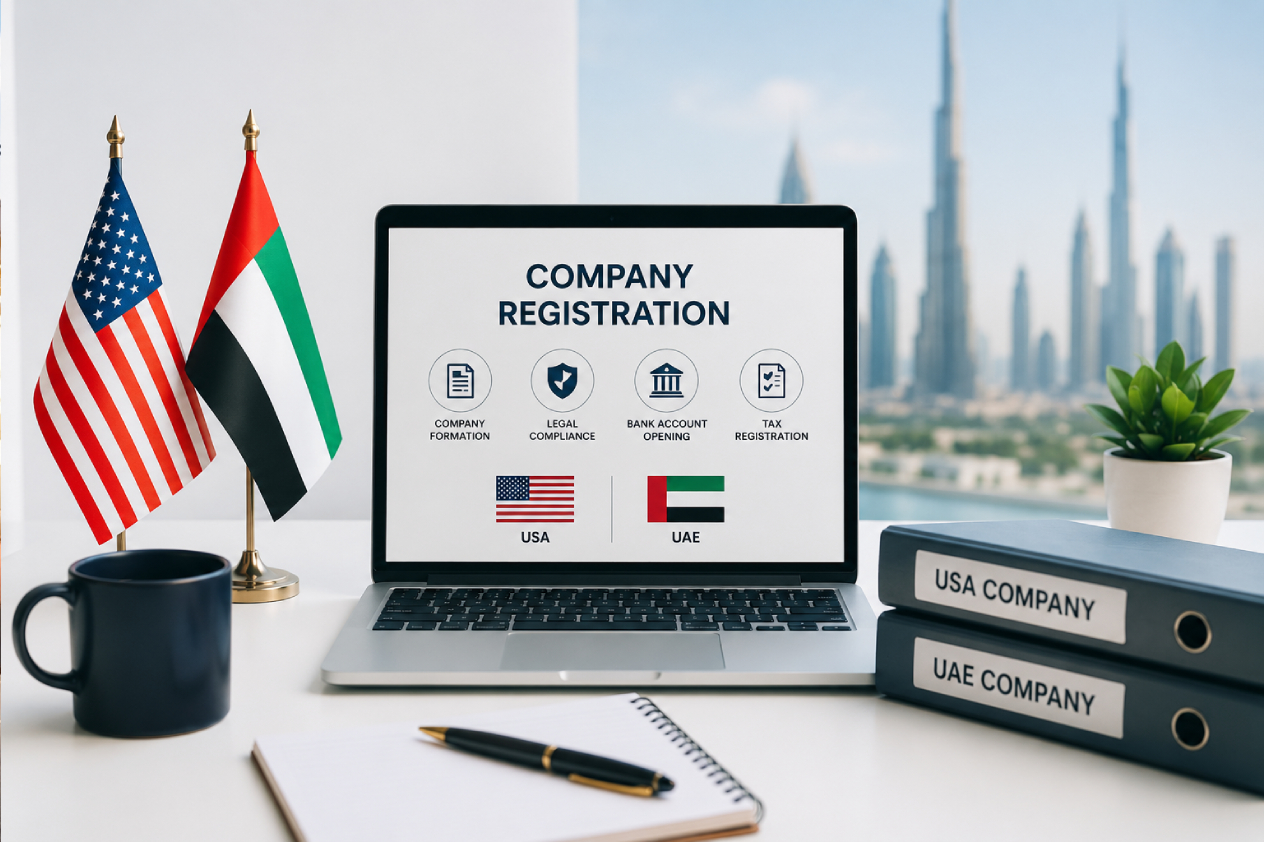
Business Setup Guidance: A Practical Roadmap to Launching Successfully

Starting a business is exciting—but without a clear plan, it can quickly become overwhelming. The right setup lays the foundation for growth, compliance, and long-term success. Whether you’re launching a startup or a small company, this guide will walk you through the essential steps.

1. Define Your Business Idea

Every successful business begins with a clear idea. Ask yourself:

  • What problem am I solving?
  • Who is my target audience?
  • What makes my solution unique?

A strong idea should address a real need and offer value that competitors don’t.

2. Conduct Market Research

Before investing money, understand your market. Research helps you:

  • Identify competitors
  • Understand customer behavior
  • Validate demand

Use tools like Google Trends and social platforms to analyze what people are searching for and buying.

3. Create a Business Plan

A business plan acts as your roadmap. It should include:

  • Business objectives
  • Target market
  • Revenue model
  • Marketing strategy
  • Financial projections

A well-structured plan also helps attract investors and partners.

4. Choose the Right Business Structure

Selecting the correct legal structure is crucial. Common options include:

  • Sole proprietorship
  • Partnership
  • Limited liability company (LLC)

Each structure has different tax, liability, and compliance implications. Choose based on your business size and goals.

5. Register Your Business

Make your business official by registering it with the relevant authorities. In Pakistan, you can register through the Securities and Exchange Commission of Pakistan.

You’ll also need:

  • Business name registration
  • Tax identification number
  • Necessary licenses and permits

Conclusion

Setting up a business requires careful planning, legal awareness, and strategic execution. From defining your idea to building your online presence and managing finances, each step plays a vital role in your success.

Take a structured approach, stay consistent, and be ready to adapt. With the right foundation, your business can grow into a stable and profitable venture.

How to start an ecommerce business

How to start an ecommerce business

How to start an ecommerce business

How to Start an Ecommerce Business: A Strategic Step-by-Step Guide

Starting an ecommerce business isn’t just about launching a website—it’s about building a system that attracts, converts, and retains customers. With the right strategy, you can turn a simple idea into a scalable online brand. Here’s how to do it the smart way.

1. Choose the Right Niche

Your niche defines your entire business. Instead of selling everything, focus on a specific audience with clear needs.

Strategic tips:

    • Solve a real problem or target a passionate audience
    • Analyze competitors and gaps in the market
    • Validate demand using search trends and marketplaces

    A focused niche helps you stand out and reduces competition early on.

2. Validate Your Product Idea

Before investing time and money, make sure your product will sell.

Ways to validate:

    • Check demand on platforms like Amazon
    • Analyze trending products on TikTok
    • Run small test ads to gauge interest

    Validation minimizes risk and ensures you’re building something people actually want.

3. Choose the Right Ecommerce Platform

Your platform is your business foundation. For beginners and scaling brands, Shopify is one of the most popular choices due to its ease of use and flexibility.

Other options include:

  • WooCommerce (for WordPress users)
  • BigCommerce

Pick a platform that matches your technical skills and growth goals.

4. Build a High-Converting Store

Your website should be designed to convert visitors into buyers.

Focus on:

  • Clean, mobile-friendly design
  • Fast loading speed
  • Clear navigation
  • Strong product pages with images and descriptions

A professional store builds trust and increases conversion rates.

5. Create a Strong Brand Identity

Branding is what separates you from competitors.

Key elements:

  • Logo and color scheme
  • Brand voice and messaging
  • Unique value proposition

Customers don’t just buy products—they buy brands they trust and connect with.

6. Set Up Payment and Logistics

Make it easy for customers to pay and receive products.

Essentials:

  • Secure payment gateways (cards, wallets, COD if relevant)
  • Reliable shipping partners
  • Clear return and refund policies

Smooth operations improve customer satisfaction and reduce friction.

Conclusion

Starting an ecommerce business is a strategic process that combines planning, execution, and continuous improvement. From choosing the right niche to scaling your operations, every step plays a crucial role in your success.

Focus on delivering value, building trust, and optimizing your marketing efforts. With the right strategy and consistency, your ecommerce business can grow into a profitable and sustainable brand.

Shopify growth tips

Shopify growth tips

Shopify growth tips

Shopify Growth Tips: How to Scale Your E-commerce Store Successfully

Growing a Shopify store requires more than just launching products—it demands strategy, consistency, and smart optimization. Whether you’re just starting or looking to scale, the right growth tactics can significantly boost your sales and brand visibility. Here’s a complete guide to help you grow your Shopify store effectively.

1. Optimize Your Store for Conversions

First impressions matter. A well-designed Shopify store builds trust and encourages customers to buy. Focus on:
Clean, mobile-friendly design
Fast loading speed
Clear product descriptions
High-quality images

Use strong call-to-action buttons like “Buy Now” or “Add to Cart” to guide users through the buying process.

2. Master SEO for Organic Traffic

Search Engine Optimization (SEO) helps your store rank higher on search engines like Google.

Key SEO practices include:

  • Using relevant keywords in product titles and descriptions
  • Writing SEO-friendly blog content
  • Optimizing meta titles and descriptions
  • Building backlinks

Organic traffic reduces dependency on paid ads and brings long-term growth.

3. Leverage Social Media Marketing

Social media platforms are powerful for driving traffic and building brand awareness. Focus on:

  • Instagram for visual branding
  • Facebook for ads and community building
  • TikTok for viral content

Post consistently, engage with your audience, and run targeted ad campaigns to increase sales.

4. Use Email Marketing to Retain Customers

Email marketing is one of the highest ROI channels. Tools like Klaviyo and Mailchimp help you:

  • Send abandoned cart reminders
  • Offer discounts and promotions
  • Build customer relationships

Repeat customers are more profitable than new ones, so focus on retention.

5. Invest in Paid Advertising

Paid ads can bring quick results when done correctly. Platforms like Google Ads and Facebook Ads allow precise targeting based on interests, demographics, and behavior.

Tips for success:

  • Start with a small budget and test campaigns
  • Use retargeting ads
  • Monitor performance and optimize regularly

Conclusion

Growing a Shopify store takes time, effort, and continuous optimization. By focusing on SEO, social media, email marketing, paid ads, and customer experience, you can build a profitable and scalable e-commerce business.

Stay consistent, test different strategies, and adapt to market trends. With the right approach, your Shopify store can achieve long-term success and stand out in a competitive market.

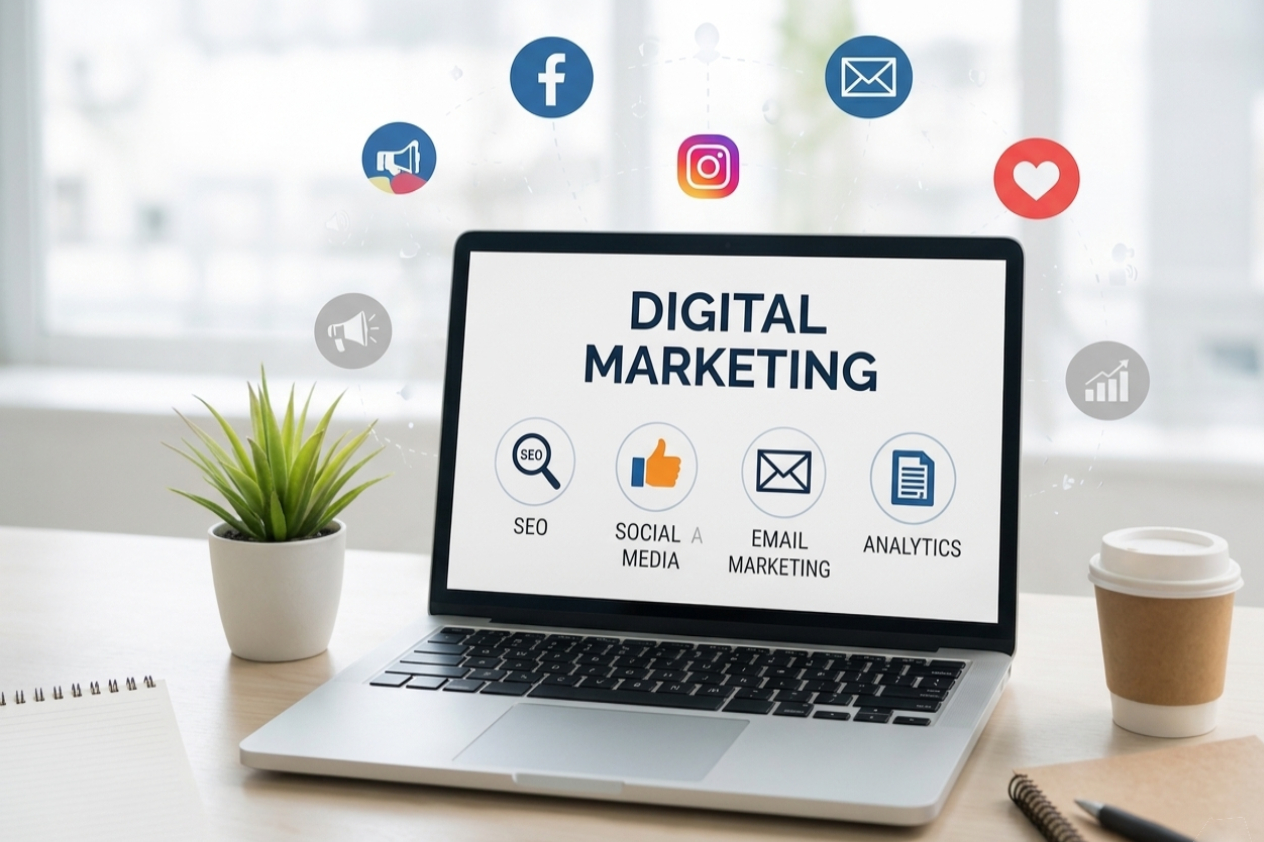
Digital marketing strategies

Digital marketing strategies

Digital marketing strategies

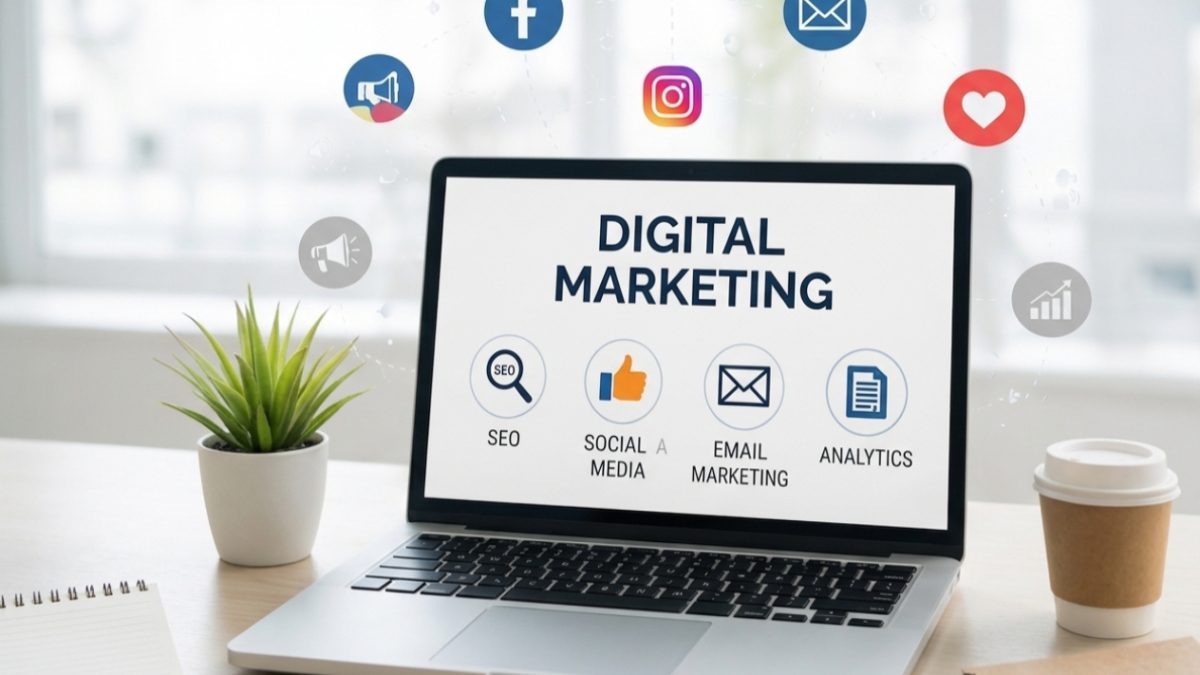
Digital Marketing Strategies: A Complete Guide to Growing Your Business Online

In today’s fast-paced digital world, businesses must adopt smart and adaptable marketing strategies to stay competitive. Digital marketing is no longer optional—it’s essential for building brand awareness, attracting customers, and driving revenue. This guide explores the most effective digital marketing strategies you can use to grow your business.

1. Search Engine Optimization (SEO)

Search Engine Optimization is the foundation of digital visibility. It involves optimizing your website to rank higher on search engines like Google.

Effective SEO includes:

  • Keyword research and targeting
  • High-quality content creation
  • On-page optimization (meta tags, headings, URLs)
  • Technical SEO (site speed, mobile-friendliness)
  • Backlink building

2. Content Marketing

Content marketing focuses on creating valuable, relevant, and consistent content to attract and engage your audience. This includes:

  • Blog posts
  • Videos
  • Infographics
  • E-books

Platforms like YouTube are powerful for video content, while blogs help establish authority in your niche. The key is to provide real value rather than just promote your products.

Social Media Marketing

Social media platforms allow businesses to connect directly with their audience. Popular platforms include:

    • Facebook
    • Instagram
    • LinkedIn

    Strategies include:

  • Posting engaging content regularly
  • Running paid ad campaigns
  • Collaborating with influencers
  • Engaging with followers through comments and messages

Consistency and authenticity are key to success on social media.

4. Pay-Per-Click Advertising (PPC)

PPC advertising allows you to drive immediate traffic by paying for ads. Platforms like Google Ads enable businesses to target specific keywords and audiences.

Benefits include:

  • Instant visibility
  • Highly targeted campaigns
  • Measurable results

However, proper budget management and keyword selection are crucial to avoid overspending.

5. Email Marketing

Email marketing remains one of the most cost-effective strategies. Using tools like Mailchimp, businesses can:

  • Send newsletters
  • Promote products or services
  • Nurture leads

Personalization and segmentation significantly improve open and conversion rates.

6. Influencer Marketing

Influencer marketing involves partnering with individuals who have a strong online following. These influencers promote your brand to their audience, increasing trust and reach.

Platforms like TikTok and Instagram are especially effective for influencer campaigns. Choose influencers whose audience aligns with your target market.

Conclusion

Digital marketing is a dynamic and evolving field that requires a mix of creativity, strategy, and analysis. By combining SEO, content marketing, social media, PPC, email marketing, and analytics, businesses can build a strong online presence and achieve sustainable growth.

The key is to stay updated with trends, test different strategies, and continuously optimize your efforts. With the right approach, digital marketing can transform your business and open doors to global opportunities.

Logistics Company (GCC Delivery Services)

Logistics Company (GCC Delivery Services)

Logistics Company (GCC Delivery Services)

What is a GCC Logistics Company?

A GCC logistics company provides end-to-end transportation, storage, and delivery services across Gulf countries. These companies manage the movement of goods via land, air, and sea while ensuring timely delivery, customs compliance, and operational efficiency. Typical services include: Freight forwarding (air, sea, road) Last-mile delivery services Warehousing and inventory management Customs clearance and documentation Cross-border logistics solutions For example, regional providers offer door-to-door delivery, real-time tracking, and seamless cross-border shipping across GCC nations.

Growth of Logistics in the GCC

The logistics sector in the GCC is experiencing strong growth driven by infrastructure development, digital transformation, and rising e-commerce demand. The market is projected to grow from $86 billion in 2026 to over $116 billion by 2031. Increasing online shopping and retail expansion are fueling demand for fast delivery services. The region is becoming a global logistics hub due to investments in ports, airports, and free trade zones. This growth highlights the increasing importance of efficient delivery services in the GCC.

Key Services Offered by GCC Delivery Companies

1. Freight Forwarding

Freight forwarding is the backbone of logistics operations. It involves organizing shipments across international borders via air, sea, or road. GCC companies provide integrated solutions to ensure goods reach their destination safely and on time.

2. Last-Mile Delivery

Last-mile delivery is the final step of the supply chain, where goods are delivered directly to customers. With the rise of e-commerce, this service has become a key competitive advantage.

3. Warehousing & Distribution

Modern logistics companies offer advanced warehousing solutions with automated inventory systems, ensuring efficient storage and quick dispatch of goods.

4. Customs Clearance

Handling customs regulations is one of the most complex aspects of logistics. GCC companies provide expert services to ensure smooth border crossings and compliance with regional laws.

5. Reverse Logistics

This includes handling returns, recycling, and product exchanges—essential for e-commerce businesses.

Importance of Delivery Services in GCC

1. Boosting E-commerce

The GCC e-commerce market is expected to reach $49 billion, increasing demand for reliable delivery services.

2. Supporting International Trade

Logistics companies enable seamless import and export across countries, strengthening global trade connections.

3. Enhancing Customer Experience

Fast and reliable delivery improves customer satisfaction and brand loyalty.

4. Driving Economic Growth

The logistics sector contributes significantly to GDP and supports industries such as manufacturing, retail, and healthcare.

Challenges in GCC Logistics

Despite rapid growth, logistics companies face several challenges:

  • Cross-border complexities: Different regulations across GCC countries
  • Addressing systems: Inconsistent location systems affect delivery efficiency
  • High operational costs: Fuel, warehousing, and labor expenses
  • Climate conditions: Extreme temperatures can impact transportation

These challenges require innovative solutions and strong operational strategies.

Role of Technology in GCC Delivery Services

Technology is transforming logistics operations in the GCC:

  • Real-time tracking: Improves transparency and customer trust
  • AI and automation: Enhances route optimization and warehouse efficiency
  • IoT systems: Enable smart monitoring of shipments
  • Digital platforms: Streamline booking, payments, and tracking

Companies investing in technology are gaining a competitive edge.

Future of Logistics in GCC

The future of GCC logistics looks promising with several trends shaping the industry:

  • Smart logistics hubs and free zones
  • Expansion of green and sustainable logistics
  • Growth of drone and autonomous delivery systems
  • Increased regional integration and digital customs systems

Government initiatives like Saudi Vision 2030 are further accelerating logistics development.

Why Choose a GCC Logistics Company?

Businesses prefer GCC logistics providers because they offer:

  • Strong regional network
  • Expertise in cross-border shipping
  • Cost-effective delivery solutions
  • Scalable services for growing businesses
  • Reliable and timely operations

Conclusion

Logistics companies in the GCC are transforming the way goods move across the region. With advanced infrastructure, growing e-commerce demand, and technological innovation, GCC delivery services are becoming faster, smarter, and more efficient. As the market continues to expand, these companies will play a vital role in shaping the future of global trade and supply chain management.